
JOURNEY TO PREGNANCY
FERTILITY TREATMENTS
It is estimated that 30-40% of women and men have difficulty in conceiving. The definition of infertility is the inability to conceive after a year of unprotected intercourse in women under 35, or after six months in women 35 or over, or the inability to carry a pregnancy to term. Also included are diagnosed problems of anovulation, tubal blockage, low sperm count, low morphology, etc.A diagnosis of infertility is not a diagnosis of sterility. While about 15% of all couples are infertile, only 1% is sterile (meaning that conception is physically ruled out). Of the couples that seek help, more than half can eventually conceive a child.
If you fall under any of the following you may want to seek specialized reproductive assistance:
Regular unprotected intercourse with no pregnancy for a year
Trying to conceive for at least 6 months when 35 years of age or older
Irregular or difficult menstrual cycles
A history of pelvic pain, infections, uterine fibroids, cysts, endometriosis
Abdominal or reproductive surgery
Two or more miscarriages
Male problems that may alert you to a problem may include:
Low sperm count, motility, morphology
Prostatitis, urinary infections
Reproductive surgery
Methods of Impregnation: The following is a list, from preferred to less preferred, of methods of impregnation:
Sexual intercourse
Artificial insemination
Fresh sperm preferred over frozen.
Acupuncture for Fertility
Acupuncture and traditional Chinese herbal medicine have had many years of success in assisting fertility. As stand alone modalities, acupuncture and Chinese herbal formulas have had great success in treating difficult conception. Current studies in the US and Europe are yielding very promising results for both males and females. Acupuncture Has Fertility Boosting Benefits, Acupuncture Improves Fertility in Men, Too, Effect or Acupuncture on Sperm Parameters.Acupuncture and Chinese herbal medicine incorporate thousands of years of clinical study, observation, and treatment of difficult conception. In the last 40 years with the introduction of Traditional Chinese Medicine into Europe and North America, we have seen an exponential increase in interest and studies pointing to the efficacy of this medicine in treating a variety of imbalances/illnesses ranging from depression to chronic and acute pain to infertility.
Acupuncture and herbal medicine can assist conception in the following ways:
Improve the function of the ovaries to produce higher quality eggs;
Regulate the hormones to produce a larger number of follicles;
Increase blood flow to the uterus and increase the uterine lining;
Improve sperm volume, count, motility and morphology;
Strengthen the immune system;
Decrease stress;
Increase the chance of conceiving;
Decrease the chance of a miscarriage

IVF SUPPORT
Preparation for IVF cycle with acupuncture
Couples planning for a future IVF cycle should ideally begin preparatory acupuncture treatment 3 months prior to beginning their medicated cycle. Because ovarian follicles go through a 90-120 day follicular development period before they mature for ovulation, and sperm require a period of at least 90 days for maturation, we generally recommend a minimum of 3 months of treatment prior to IVF stimulation in order to best maximize egg and sperm quality.
Chinese medicine can greatly help to prepare the body in these areas, where western medicine offers few treatment options. Improving the quality of the parents' eggs and sperm prior to IVF is our main focus to help achieve a successful pregnancy and decrease the risk for early miscarriage.
For women, treatment is directed towards improving egg quality, hormonal balance and preparing an ideal uterine environment for implantation. We accomplish this through improving ovarian functioning, regulating reproductive hormones, increasing blood circulation to the ovaries and uterus, and by improving the quality of the follicular fluids that nourish the developing eggs. Pre-existing menstrual irregularities and other factors affecting fertility can be treated during this time to maximize natural reproductive health. The better prepared the body and mind are for the procedure ahead, the greater the chance in achieving a healthy pregnancy through IVF.
For many couples choosing to undergo an IVF cycle, male fertility factors also play a role. In the 3 months prior to IVF, Chinese medicine can be utilized to improve upon the quality of the sperm. Treatment is aimed at improving sperm count, morphology and motility. As with the woman’s eggs, healthier sperm contribute to healthier, more viable embryos.
Acupuncture Treatment during IVF cycle
Acupuncture treatment during the IVF cycle helps to increase a woman’s appropriate response to hormonal stimulation. Treatment varies dependent on the phase of IVF: down-regulation, ovarian stimulation, egg retrieval, uterine preparation, and embryo transfer.
A study published in "Fertility and Sterility" in 2009, by Dr. Paul Magarelli and Diane Cridennda, examined the effect that acupuncture had on women during IVF stimulation. Women who used acupuncture as part of their protocols had lower levels of stress hormones than women who did not use acupuncture. The acupuncture appeared to help normalize the levels of cortisol and prolactin that are normally negatively affected by IVF drugs. This may have positive implications for both egg quality and implantation. Both the pregnancy rates and live birth rates were significantly higher in the group of women who received acupuncture.
We preform acupuncture treatments designed to support the different phases of IVF while decreasing the side-effects often experienced from IVF medications. Specifically, work on the following treatment goals:
• Improve blood flow to the uterus and ovaries to improve ovarian response to hormonal stimulation during IVF
• Thicken uterine lining to encourage implantation at time of transfer and into early pregnancy
• Decrease uterine cramping to encourage implantation and reduce miscarriage of the transferred embryo/embryos
• Decrease cortisol and reduce stress levels to improve LH and progesterone production to develop fertile cycle dynamics
Pre & Post Embryo Transfer Acupuncture treatments
We recommend following the same guidelines set forth in clinical research for the timing of acupuncture surrounding embryo transfer. Research demonstrates a significant increase in conception rates in women who receive acupuncture before and after embryo transfer.
We understand that there is always uncertainty about the exact scheduling of the embryo transfer until after egg retrieval, and sometimes even later. We do our very best to accommodate our patients' treatment schedules to allow for acupuncture to be used within the recommended time frames. This means we will schedule weekends and off-days and hours for as needed pre and post transfer treatments.
The goals of pre/post-embryo transfer acupuncture treatment are:
• Relaxation (less stress produces higher pregnancy rates)
• Improved blood flow to the uterus to promote higher implantation rates
• Decreased uterine spasms and cramping to improve implantation rates
• Decreased incidence of miscarriage.
Continuing Acupuncture after IVF
Acupuncture treatments should be continued throughout the first trimester to protect early pregnancy and prevent miscarriage. We continue to see women once per week through the 14th week of pregnancy.
UNEXPLAINED INFERTILITY
The diagnosis of unexplained infertility can be the most frustrating one. It often leaves women and men feeling confused and frustrated, wishing they could have a reason to focus on and pursue specific treatment for.
We see a large number of couples each year for assistance in the treatment of unexplained infertility. While conventional western medicine may not be able to provide answers to what the underlying obstacles are to a couple’s unexplained infertility, Chinese medicine examines in depth the signs and symptoms of the menstrual cycle, the couple’s lifestyle, overall wellness, and stress, to diagnosis and treat the underlying imbalances that are preventing pregnancy.
The first step in treatment for unexplained infertility is to determine what imbalances are evident in the menstrual cycle, and then work to correct them. At the same time, we work on developing a more fertile lifestyle through general wellness, nutrition, exercise and stress reduction. Treatment may involve both the hopeful mother and father, depending on what is appropriate to each couple’s situation.
If you are already working with a medical doctor and undergoing fertility treatments, your acupuncture treatments will be tailored to help your body respond better to the planned fertility treatments, while helping to correct the underlying imbalances that are preventing conception. This is important in order to be better prepared for the next cycle, if the current fertility treatment is not successful.
We encourage couples with unexplained infertility to follow a holistic treatment plan that works to enhance fertility for a preconception period of at least three months. We do see some couples who become pregnant in the first few cycles of treatment, but to establish correct hormonal balance and improve the health of both the eggs and sperm, the anticipated period of increased fertility begins several months into treatment. With couples that continue though this plan, we have seen many healthy pregnancies occur.


HIGH FSH, LOW OVARIAN RESERVE, POOR EGG QUALITY
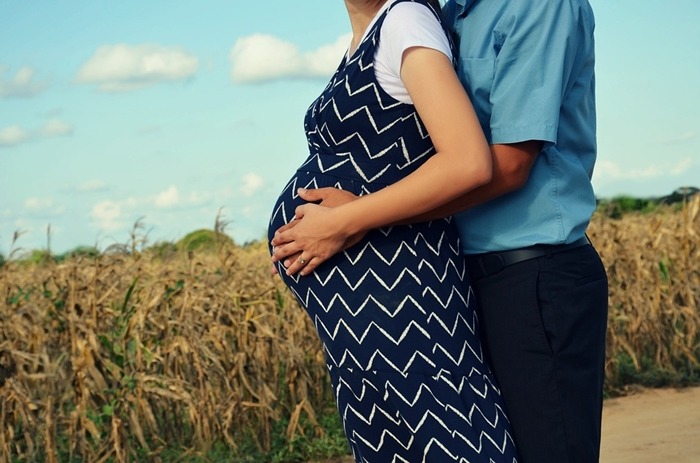
Being told you have “bad” eggs or very few viable eggs can be a devastating blow. There are many tests today that attempt to determine ovarian reserve, egg quality and reproductive age, including FSH, AMH, clomid challenge, day 3 estradiol, and antral follicle counts. Abnormal results found through these tests generally result in the diagnosis of diminished ovarian reserve and poor egg quality. This news can seem overwhelming, and the possibilities for pregnancy bleak and hopeless.
There is hope. We have seen many, many women who have been told that they would only conceive using donor eggs, women who have had IVF cycles canceled due to poor response, and women who have had multiple failed IVF cycles go on to have biological babies both naturally and through a combination of holistic medicine with ART.
Clinical research confirms that Acupuncture and Chinese Medicine can successfully increase blood flow to the entire pelvic region, including the reproductive organs. When the ovaries age, and when we are stressed, the available blood flow to the ovaries, and developing eggs, decreases. By enhancing blood flow to the ovaries with acupuncture, egg quality may improve, and the ovaries can become more responsive to circulating hormones and FSH.
It is important to understand there are three types of ovarian egg-producing follicles: primordial, antral, and mature. Antral follicles are small follicles that are ready to grow through hormonal stimulation for ovulation. Antral follicles can be measured and counted using vaginal ultrasound early in the menstrual cycle. Many reproductive specialists consider a woman’s antral follicle count to be the best predictor of ovarian reserve and an important factor in a woman’s chances for success with IVF.
Primordial follicles are the microscopic follicles that are in a state of deep sleep; they are not yet growing in preparation for ovulation. Primordial follicles are dormant and cannot be seen, but each contains an immature egg that will develop and mature for future cycles over 90-120 days. Our goal with acupuncture is to stimulate blood flow to these follicles to improve their health, quality, ability to grow and mature, and to help the ovaries recruit larger numbers of primordial follicles to become antral follicles.
During the 90 day pre-conception period during which these primordial follicles transition to antral follicles, we will incorporate a variety of strategies to facilitate normal, healthy egg development. Acupuncture plays a crucial role in our treatment plans for cases of Elevated FSH, Diminished Ovarian Reserve and Poor Egg Quality. We also employ other techniques to improve blood flow and to address the metabolic needs of the developing ovarian follicles and residing eggs.
Your personalized plan may include a combination of acupuncture, healthy dietary changes, nutritional supplements, herbal formulae, environmental detoxification, stress reducing techniques, and exercise. Your treatment plan will be tailored specifically to you to best address the unique factors affecting your fertility to give you the best chance for a healthy pregnancy.
Many women that have consistently followed our treatment plans have seen their FSH levels decrease, their antral follicle counts increase, and, if undergoing a subsequent IVF cycle, better response to stimulation, more mature eggs upon retrieval, healthier embryos and successful pregnancies.
PCOS
Polycystic ovarian syndrome, also known as polycystic ovarian disease (PCOD) affects 5 to 10 percent of women in North America, and is the leading cause of ovulatory based infertility.
Women with PCOS have high levels of male hormones (androgens), which interfere with the normal production of female hormones like estrogen. This results in the ovaries filling with cysts, and creates immature follicles that are unable to generate healthy eggs.
Some women with PCOS have no symptoms. More often, however, women will experience some or all of the following symptoms:
• Weight gain or obesity
• Lack of ovulation, or very late ovulation
• Irregular periods or complete absence of menstruation (amenorrhea)
• Acne on the face, neck, chest and back
• Excessive hair growth (hirsutism) or abnormal hair growth
• Enlarged ovaries covered with cysts
• Insulin resistance/hyperinsulinemia
• Increased androgens (male hormones)
If your medical doctor suspects that you have PCOS, he or she may recommend that you have a blood test to check for elevated LH (luteinizing hormone), serum testosterone levels, and insulin resistance, and an ultrasound of the ovaries to determine if cysts are present (about 20% of all women will have ovarian cysts visible on the ultrasound, so having cysts does not necessarily mean you have PCOS).
It is always important to look at the individual pattern that each PCOS patient presents with. As women with PCOS know, every woman is affected differently. Women with PCOS can have many different combinations of symptoms and patterns of menstruation and ovulation.
We take into account all the signs and symptoms that are unique to your PCOS presentation to design a treatment plan specially targeted to bring your body back into balance. Treatment plans may combine acupuncture, diet, nutritional supplements, herbal formula, exercise, weight loss, and stress reduction techniques.
Our approach is to treat the underlying condition that is causing the hormonal imbalance as well as to alleviate symptoms. Typically a personalized treatment plan to re-balance hormones and regulate the menstrual period takes several months.
Many woman are able to regain regular cycles, ovulate regularly and conceive naturally with the help of our treatments and advice. Some women will still need to incorporate prescription medications into their fertility plan; we discuss this on a case by case basis. For these cases, incorporating a holistic treatment plan in conjunction with western treatment can help women with PCOS respond with less resistance to fertility treatments, and to more effectively develop healthy, mature eggs than with fertility drugs alone.



ENDOMETRIOSIS
Endometriosis is the presence of endometrial cells which make up the inner lining of the uterus outside of the uterus in the pelvic cavity.
It is not entirely known why women with endometriosis often have difficulty conceiving.
THE FOLLOWING FACTORS HAVE BEEN IDENTIFIED AS POTENTIAL FERTILITY IMPEDIMENTS FOR WOMEN WITH ENDOMETRIOSIS:
• The fallopian tubes may function abnormally, due to adhesions or scarring.
• The ovaries may not be functioning properly, possibly resulting in poor egg quality.
• Endometriosis may release toxic substances which may harm embryos during implantation.
• There may be higher risks for early miscarriage and chemical pregnancy.
• Immunological factors involved in endometriosis play an important role in endometriosis associated infertility.
Some women with endometriosis do not experience physical symptoms other than difficulty conceiving. The most common symptoms are:
• Menstrual cramps (pain level is not a good indicator of the severity of the endometriosis)
• Ovulation pain
• Difficult or painful intercourse
• Bleeding between periods
• Heavy menstrual bleeding
• Lower back pain
• Irregular or painful bowel movements
• Nausea and vomiting
• Infertility or sub-fertility
We take a multi-faceted approach to the treatment of endometriosis. We focus on regulating the menstrual cycle to improve hormonal balance, which in turn produces healthier eggs and promotes successful ovulation. Endometriosis can adversely affect the uterine environment, so we include strategies to address blood flow and reduce the inflammatory immune response that may interfere with implantation. This encourages a more “friendly” uterine environment for both implantation and early pregnancy. Lastly, we work to address specific symptom discomforts such as menstrual cramping, heavy menstrual flow and digestive pain.
Many women notice an improvement in the symptoms of their endometriosis very early into treatment. Acupuncture is a great alternative to surgery for women without structural obstructions to fertility due to scarring or adhesions from endometriosis. Acupuncture, incorporated into a comprehensive plan of fertile-living strategies, can provide a great deal of help in reducing the negative impacts endometriosis has on fertility, and can allow for pregnancy to be possible.
MALE INFERTILITY
Almost one in six couples experience fertility problems. Studies show that while 40% of the time infertility is the result of female factors, 40% of the time it's also the result of male factors and 20% of the time the result is of a combination of both women and men. If you are experiencing difficulties getting pregnant, it is important that the male partner get his sperm checked since men can contribute to a couple's infertility over 50% of the time. The good news is men are easier to treat than females since men are constantly making new sperm (approximately 1000 sperm per heart beat).
Unfortunately male factor infertility gets overlooked since conventional treatment defaults to Intracytoplasmic sperm injection (ICSI) which put the woman through a medicated procedure involving surgery to remove her eggs to be inseminated by sperm in the IVF lab. If the case involves just the man, then there is so many non invasive treatments he can do so his female partner does not have to undergo an ICSI cycle. It takes about 72 to 90 days for sperm to mature and we have devised a program that involves lifestyle changes, avoiding environmental toxins that damage sperm, supplements known to improve sperm count, motility, morphology and repair DNA fragmentation and acupuncture over a 3 to 6 month period to optimize a men's sperm quality and allow him to reach his peak fertility potential.
Sperm problems may involve the quantity and/or quality of the sperm. A simple semen analysis can assess basic fertility. This simply involves asking your family doctor for a test requisition and taking a sperm sample to a local lab for testing. Often men feel embarrassed or stressed about providing the sample. There is no need to as the sample can be collected at home and discretely dropped off at a laboratory near you.
The semen analysis looks at the sperm in three different ways:
1. Sperm Count: This is the most important part of the test and the more sperm there is, the better!
2. Sperm Motility: This measures the percentage of sperm that is moving in a forward direction -- sperm needs to be able to travel from the vagina to the fallopian tubes where they meet the egg).
3. Sperm Morphology: This measures the shape of the sperm.It is quite common for men to have lot of abnormally-shaped sperm. Don’t feel too worried if you get this result as no one really knows how much impact this has on your overall fertility.
The following issues are the most common causes of male factor infertility:
Structural Problems
Various structural problems, such as blockages, can obstruct the passage of sperm or impair the ability to produce healthy sperm. These can result in several conditions, such as:
Scarring
Undescended testes
Varicocele
Vasectomy
Hormonal Imbalances
Imbalances caused by a lack of communication between the hypothalamus, the pituitary gland, and the testes can affect a man’s ability to produce healthy sperm.
Infections & Diseases
Many health conditions or diseases, including diabetes, cystic fibrosis, mumps, and any extended period of high fever, can reduce sperm production. As men are continually producing sperm, the infection effects may be reversible if no scarring or blockage has occurred, which can result in sperm function being restored over time.
Age
New research is showing that men’s sperm quality begins to decline around the age of 45 and impacts the health outcome of their child. We suggest men be proactive and make lifestyle changes and consult with our practitioner to learn how to optimize sperm quality which impacts the health blueprint of your child.
Environmental Factors
There has been a dramatic decrease in men’s sperm counts worldwide. While the reason for this decline isn’t confirmed, many scientists believe environmental factors to be the cause
Additionally, working at a job where you are exposed to a lot of toxins can adversely affect your sperm count.
Lifestyles
Lifestyle factors can have a negative effect on sperm counts. These factors include:
Unhealthy diet
Excessive alcohol
Marijuana
Cigarettes
Hot tubs
Overweight (BMI over 25)
Treatments
Acupuncture:
Recent studies have shown that acupuncture can effectively:
Increase sperm production
Increase the percentage of healthy sperm
Improve sperm movement (motility)
Improve the levels of hormones responsible for fertility
Increase the rate of pregnancy when used in conjunction with ART studies
Acupuncture needles are never inserted into the genitals. The needles are instead painlessly inserted into acupuncture points in various other parts of the body.
Herbal Therapy
Herbal therapy is another important aspect of Chinese Medicine, and provides an essential compliment to acupuncture. Studies have shown that herbal formulas may improve low sperm counts or poor motility in male factor infertility.


DIET & LIFESTYLE CHANGES
Diet, Nutrition & Supplements
Diet and life style can be an enormous and determining factor in infertility; and diet and lifestyle adjustments can make the difference between a successful and unsuccessful conception and the birth of a healthy happy child.
Our colleagues at Acubalance, in British Columbia, have done an amazing job of putting this information together. Instead of “trying to re-invent the wheel”, we highly suggest that you visit their page:
http://www.acubalance.ca/What-can-I-do-to-optimize-my-fertility
The following is taken directly from Randine Lewis’ book, The Infertility Cure, published by Little, Brown and Company. This book is highly recommended for all who are interested in enhancing pregnancy and the birth of healthy babies.
From the section “Step Two: Diet and Lifestyle”
“HOW NUTRITION MAKES A DIFFERENCE”
“Those who take medicine and neglect their diets waste the skill of the physician”
-- Chinese Proverb--
Women facing fertility challenges are often told that certain vitamins and dietary adjustments can restore hormonal functioning, reduce FSH levels, and ultimately help them get pregnant. Yet many women try to cut out processed meats, refined sugars, and dairy products for a few weeks or supplement their diets with large doses of vitamins and don’t notice a bit of difference. It is well documented that body fat content has an effect on our fertility (too high or too low accounts for 12% of infertility cases in the US); lesser known is how much of a role nutrition plays in our reproductive health.
The Chinese tradition recognizes food as the main source of energy. The Spleen converts food into usable energy (including Qi, Blood, and Essence). Each food has different energetic qualities. For example, hot, spicy foods are more Yang in nature, while sweet foods are more Yin. Some foods build up the Blood; others help draw heat and dampness from the body. The different tastes – sweet, spicy, sour, bitter, salty, and aromatic – have certain effects when taken in moderation. However, if any of these tastes predominate, they can create imbalance in the body. The effects of overindulging in some of these tastes are recognized in Western medicine, too. In Chinese culture, salty flavors are considered necessary for the Kidneys, but too much salt is said to obstruct the flow of the Blood. In Western medicine, too much salt causes water retention, affecting the kidneys, and also can create problems with the circulation of blood.
In the Chinese tradition, a meal isn’t just an accumulation of calories but an opportunity to supply our Organs with the balanced tastes and energies needed for health. When the body is out of balance, food is one way to make up for deficiency and drain excess from the system.
According to TCM philosophy, the shen (translated as Kidneys and spirit) governs the reproductive system. If you are having problems conceiving, there is often a deficiency in the shen energy. Symptoms of Kidney deficiency include lower back pain, weak legs, dry mucous membranes, night sweats, cold feet, irregular menses, low libido, increased urinary frequency, and nighttime urination, to name a few. (During menopause, a woman’s Kidney Essence, or shen decreases, and many of the same symptoms occur.) A doctor of Oriental medicine would suggest taking herbal supplements to increase the shen and also would recommend a diet containing foods that nourish the Kidneys, such as walnuts, black sesame seeds, barley, tofu, black soybean, wheat germ, seaweeds, various beans, organ meats, and wheatgrass.
Kidney essence, or shen, encompasses Kidney Yin and Yang, and both Kidney Yin and Kidney Yang deficiencies can be helped with dietary changes that supplement the Essence. A patient with Kidney Yin deficiency should avoid too much exercise, external heat, and hot, spicy foods. Someone with Kidney Yang deficiency should not consume ice-cold drinks, especially during menses, as these would lower the heat in a body that is already heat deficient She also should eat lightly steamed vegetables instead of raw ones, which require more Qi (which is Yang in nature) to digest.
The goal of every dietary prescription is to bring the body back ijnto balance. Here are some general dietary recommendations I make to my patients who are trying to get pregnant:
Eat alkaline rather than acidic foods. Many contemporary sources advocate eating alkaline foods like noncitrus fruits, vegetables, sprouts, cereal grasses (wheatgrass, barley grass), and herbs like black cohosh and valerian root to help provide the entire reproductive system with the tight pH for conception and implantation. Acidic foods (like meat, dairy products, and most grains) produce acidic environments. Acidic cervical mucus may become hostile to sperm, which requires an alkaline environment to survive. Since saliva can have an alkalizing effect, it is recommended that you chew your food thoroughly and refrain from drinking liquids with your meal. Let your own salivary enzymes digest the food, rather than washing it down with fluids.
I don’t advocate strict vegan diets, but you should make sure the bulk of your diet comes from organic plant sources. Bioflavonoids, found in many fruits and vegetables,
also help in the formation of healthy blood vessels, helping the uterus prepare for implantation and prevent miscarriage.Get plenty of essential fatty acids, preferably from unprocessed plant sources and deep-sea fish. The essential fatty acids linoleic acid and alpha- linolenic acid are essential to every living cell in the body. They are also key in ovulation, specifically in the process of follicular rupture (releasing the egg) and collapse (allowing the development of the corpus luteum. Good sources of essential fatty acids are fish, fish oil, nonhydrogenated cold-pressed oils such as flaxseed and pumpkin-seed oils, eggs, soy products, raw nuts and seeds, and dark-green and winter vegetables like broccoli, cauliflower, beets, carrots, kale, collards, cabbage, turnips, rutabaga, and Brussels sprouts.
Be aware, however, that with long-term exposure to heat and light, essential fatty acids found in vegetables may become trans fatty acids, which are toxic. Trans fatty acids can impair the proper functioning of the immune and reproductive systems. Other sources of trans fatty acids are shortening, margarine, lard, and animal fat, and hydrogenated vegetable oils, which are found in many processed foods. Do your best to stay away from trans fatty acids in your diet. Store oil in a cool, dry place, and once it’s open, use the oil within a couple of months.
Another key fatty acid, omega-3, is found in deep-sea fish oil, Omega-3 fatty acids have been found to clean the blood of fat deposits, reduce clotting, and encourage blood flow to the tissues, including the uterus. Omega-3 fatty acids also boost the immune system and have been found to reduce certain immune cells (NK, or natural Killer, cells) which prevent the embryo’s implantation in the uterus. The omega-3 fatty acids EPA and DHA are also essential in fetal brain development.
Note: Be aware that elevated levels of mercury can be found in many deep-sea fish. Some companies do ensure purity standards for their fish, guaranteeing low or no toxic metals.Eat organic foods and hormone free meats whenever possible. In natural-food circles, organic foods are touted as necessary for optimum hormonal functioning because many of the many pesticides, chemicals, and hormones used to treat produce and animal products contain synthetic estrogen-like substances, which occupy estrogen receptor sites and have negative effects on our organ and endocrine systems. However, Chinese medicine provides an additional reason for choosing organic food: food loses its Essence and Qi as it moves away from the source. We all have experienced the truth of this: we know fruit off a tree tastes much fresher than fruit from a grocery bag, and vine ripened tomatoes taste much better than those ripened on the counter.
The processing most food undergoes eliminates much of the natural nutrition present in the original fruits, grains, and vegetables. When we eat refined pasta and white bread, we are consuming mostly processed leftovers: little of the original substance of the wheat is left. Processed fruit juices consist of mostly sugar, and sugar damages the Spleen, which controls digestion. Frozen meals are packed with sodium, which depletes the Kidneys. Most of the canned, prepared foods that form the basis of the typical American diet contain preservatives and minuscule original food value.
Overall improvements to dietary health can be made by consuming more of a macrobiotic diet, including mostly fresh, organic produce supplemented with small amounts of hormone-free meat and animal products. The typical Asian diet is macrobiotic – meals consist mostly of fresh, lightly sautéed vegetables, rice, and small amounts of meat for flavoring.
You might also want to consider how you prepare your foods. Traditional Chinese cuisine advocates chopping vegetables and meat to allow for the release of more energy when they are eaten, and lightly cooking vegetables rather than eating them raw to make them more easily digestible. It’s also a good idea to stay away from the microwave. Microwaving food affects it structure and, according to some, decreases the Qi energy available in the food. Cooking on top of the stove or in the oven are preferable.Add more cruciferous vegetables like cabbage, broccoli, Brussels sprouts, and cauliflower to your diet. Cruciferous vegetables contain di-indolylmethane (DIM), a compound that stimulates more efficient use of estrogen by increasing the metabolism of estradiol (one form of estrogen produced by the body). Excess estradiol is associated with breast pain, weight gain, breast and uterine cancer, moodiness, and low libido. Adding DIM sources to your diet allows the estradiol to break down into the beneficial 2-hydroxy estrogens, which don’t have estradiol’s negative effects.
Supplement your diet with a natural, high-potency multivitamin and mineral complex with iron, folic acid, and B vitamins. The vitamins and minerals important for reproductive health (vitamins A, C, E, B complex, zinc, and selenium) enhance fertility yet are lacking in the usual Western, highly processed diet. If these nutrients were adequately supplied through the diet, many fertility problems could be avoided. Other supplements you might try to include:
Bee pollen and/or royal jelly is regenerative and tonifying. Bogdan Tekavcic, M.D., a Yugoslavian gynecologist, conducted a study in which the majority of women who were given bee pollen with royal jelly showed improvement or disappearance of their menstrual problems, while there was no change in the placebo group. Another study showed bee pollen significantly improved sperm production in men. Bee pollen, which is worker bee food, is rich in vitamins, minerals, nucleic acids, and steroid hormones, and improves health, endurance, and immunity. Royal jelly is modified pollen fed only to the reproducing queen bee, whose job it is to produce more infant bees. This nutritive tonic might be considered the bee equivalent of fertility drugs. Rich in amino acids, vitamins, and enzymes, royal jelly helps the queen lay millions of eggs and live longer than the worker bee.
Blue-green algae are the origin of life-giving nourishment on this planet. Micro-algae contains chlorophyll, amino acids, minerals, vitamins, and steroid building blocks. Chlorella and spirulina nourish the endocrine, nervous, and immune systems; tonify Qi, Blood, and Essence; regulate metabolism; and repair tissue.
Wheatgrass is tonifying and curative. It nourishes Qi, Blood, and Essence, enhances immunity, and restores hormonal functioning. Other cereal grasses like barley grass function the same way.
Vitamin B6 helps the body metabolize excess estrogen, produce adequate progesterone, and lower elevated prolactin levels. A Harvard study treated women with galactorrhea (lactation not associated with childbirth or nursing)/amenorrhea syndrome with 200 to 600 milligrams of vitamin B6 daily. Within three months all the women in the study had normal menstrual cycles and had stopped lactating.
Coenzyme Q-10 assists mitochondrial function, the powerhouse of each cell.
Folic acid is extremely important in cellular division. I am a proponent of supplementing your diet with folic acid for months before you conceive and throughout pregnancy. You should be aware that the adult daily minimum requirement for folic acid advocated by the Food and Drug Administration (FDA) is well below the amount we actually should take. If you have a history of abnormal cell division, such as cervical dysplasia, you should eat foods with high folic acid content, like dark-green leafy vegetables and natural orange foods – oranges, cantaloupe, yams, and sweet potatoes – in addition to your folic acid supplement.
Eliminate caffeine, nicotine, and alcohol. Caffeine, nicotine, and other stimulants should be avoided, especially if you have Yin, Blood, or Heart deficiency with heat symptoms. The American Journal of Epidemiology reports nicotine is ten times more concentrated in the uterine fluid than it is in the plasma. Nicotine ages the ovaries and makes the eggs resistant to fertilization. Alcohol is particularly damaging if you fall into the damp, heat, or Liver Qi caegories of disharmony. One study reported that any alcohol consumed during an IVF cyce reduced its chance of success by 50 percent.
Tea, especially green tea, is not as problematic as coffee. It contains about 20% less caffeine, and fewer volatile oils. Coffee constricts vessels while tea opens them. Green tea (and, to a lesser extent, black tea) has an antioxidant benefit coffee does not share. If you require assistance “revving up” in the morning, use green tea.If at all possible, avoid any unnecessary medications and drug, including over-the-counter preparations. Even non-steroidal anti-inflammatories (NSAIDS) like ibuprofen can block the synthesis of prostaglandins and therefore inhibit ovulation.
If you have scanty
cervical mucus, you should avoid decongestants, antihistamines, and excess supplemental vitamin C. You may, however, use guaifenesin, an expectorant that thins all mucus secretions, including cervical fluid that is too thick. (While guaifenesin can be found in over-the-counter cough medicines like Robitussin, I prefer using natural sources such as beech wood, which you can buy at the health-food store and which contains no additives). Avoid vaginal lubricants other than egg white.Avoid junk food, excessive stress, too little sleep, too much exercise, or anything taxing to the immune system. In general, you should give your body every chance to be at its strongest and healthiest so that it can nourish your child. Late hours, bad food, or excessive stress of any kind means your body has to dedicate its precious resources to keeping you healthy instead of making a baby. Live healthfully until you conceive and carry your child to term.
A SPECIAL NOTE FOR MEN: Men who are having fertility problems should make similar dietary adjustments. Avoid environmental estrogens and dietary sources of free radicals including saturated fats, hydrogenated oils, and trans fatty acids. Stop or reduce al medications, especially anti-hypertensives, anti-neoplastics and anti-inflammatary drugs, which can impair sperm production.
Increase consumption of legumes and soy, and include vitamins C, E, and B12, beta-carotene, folic acid, and zinc and herbs such as ginseng, which increases production of testosterone and helps with sperm production. Supplement with the amino acids l-arginine and l-carnitine, which are especially associated with enhancing sperm production.. (Chinese medicine classifies arginine as a Kidney Yang tonic, while carnitine nourishes the Yin and Blood). This regimen will improve not only sperm but overall health.
Life Style Changes: Take a good care of your Body, Mind and Spirit
Food is only one aspect of our lives affecting our fertility. Any chemicals we take in – through our skin, from the air we breathe, the water we drink, even the cleaning products we use – can produce minute yet important changes in our biochemistry. The same is true of the lives we live. If we don’t get enough rest, we can deplete our systems of valuable nutrients, because our bodies have to work harder to keep in balance. If we don’t exercise, everything can get flabby, including the systems carrying Blood and Qi throughout the body. If we are experiencing a lot of stress in our lives, the biochemical storm released by our emotions definitely can affect our fertility.
Women today have been told time and time again that it’s important to prepare themselves physically before they conceive. It is as crucial for us to take a clear-eyed, dispassionate look at the effects of our lifestyle on our reproductive health and make any necessary changes to help us get pregnant. That includes examining the effects of one of the most difficult aspects of our life to face; the amount of stress we experience. Unfortunately, a diagnosis of infertility and subsequent medical treatments for the condition can create immense levels of physiological and psychological stress – which can present a significant barrier to conception.
Stress: The Fertility Killer
Stress is defined as an inability to respond appropriately to the environment. The resulting physical response can manifest as myriad nervous system complaints including insomnia, restlessness, nervousness, or a general state of agitation. In some cases the immune system becomes compromised, resulting in everything from an increased susceptibility to colds and flu to hormonal imbalances and chronic disease states.
Stress put the body into a “fight of flight” mode, which increases the cortisone hormones and other neurochemicals and selectively redirects the blood flow to the brain, the eyes, and the musculoskeletal system. This adaptative mechanism allows us to escape from danger. However, most of the stressors we experience in twenty-first-century life do not require the “fight or flight” response, yet our bodies haven’t adapted as our environment has changed. Our stress response may be triggered by an endless number of situations – overwork, environmental pollution, emotional factors, worry, and so on. Far too many of us live with high stress levels most of the time. Unfortunately, the stress response preferentially redistributes blood flow away from the gastrointestinal, endocrine, and reproductive systems, all of which are nonessential to the “fight or flight” response. Day in and day out, our bodies still need to eat, relax, and reproduce, but under stress these systems won’t get the blood flow they need to function efficiently. Blood quits flowing to the stomach, hence we get ulcers and have a wide range of digestive complaints. Blood over nourishes certain parts of the endocrine system and starves others, so we don’t produce the right balance of hormones needed for a healthy menstrual cycle. And the poor uterus and ovaries are ignored altogether! In addition, the hormone adrenaline, which is released during conditions of stress, inhibits the utilization of progesterone, one of the key hormones for reproduction.
In October 2001 an important study of the effects of stress on conception was published. Doctors at the University of California, San Diego, examined the success rates of a group of women undergoing intrafallopian transfer (GIFT) or IVF. The study concluded that women with the highest rated life stress levels were 93% less likely to become pregnant and achieve a live birth than women who scored lower on the stress scale.
Interestingly enough, in China there is no counterpart to the English word “stress”. The closest physical phenomena is a state called Liver Qi stagnation. This describes a condition noted for contracted blood vessels, tight muscles, and a hyperactive sympathetic nervous system. The people who receive this diagnosis are usually those we would describe as being under stress. Yet the Chinese say the most common reason for Liver Qi stagnation is “unfulfilled desires.” (I don’t know of any greater unfulfilled desire than trying and failing to have a child). Techniques like Qi Gong breathing, meditation practices, and acupuncture/acupressure focus on resolving the effects of stagnated emotions. In some cases psychological support from therapy or infertility support groups can be helpful in releasing the stuck emotions. Meditation and guided-imagery CDs or tapes help reduce stress. Sites such as www.AnjiOnline.com provide visualizations and meditation specifically for supporting reproductive health.
Oriental medicine has been extremely effective in helping the body deal with stress, depression, and insomnia; it can balance the hormonal system and regulate the menstrual cycle. Remember, in the Chinese medical tradition there is no separation between mind, body, and spirit. Whatever treats the body helps the mind, and whatever heals the spirit will also help restore balance to the physical being. Fortunately, all three elements of the wellness program described in this book will help you mitigate the effects of stress on your body, mind, and spirit. As you add these elements to your health regimen, you will find your stress levels dropping and, as my patients have discovered again and again, you will create an environment in which conception can occur naturally.
First, step away from any guilt you may feel about how you have been living up to this point. Begin by relaxing. Believe your journey has been perfect (even with all of its shortcomings) up to this point. Resolve to make whatever changes you can to support greater health for your mind, body, and spirit. The greatest gift you can give your potential child is to love, honor, and accept yourself
Excercise & Massage
Taking care of yourself should involve some kind of massage, meditation, or other physical indulgence. While general massage will make you feel more relaxed and pampered, there are specific techniques to help redirect your body’s attention and energy to your reproductive organs. Here are a few exercises you can do to improve the blood flow to the uterus and ovaries.
FEMORAL MASSAGE
This exercise increases blood flow to pelvic organs, providing more nourishment to the uterus and ovaries. (This massage may be more effectively performed by a partner).
Compress (by applying pressure
with your fingertips) the large artery just beneath the crease in your groin between your thigh and lower abdomen (there is a picture in the book). This is the femoral artery, which comes from the iliac artery. The iliac artery has branches that supply blood to the uterus, fallopian tubes, and ovaries. (The ovaries have an additional Blood supply, which branches off the arterial section that supplies the Kidneys).You should be able to feel with your
fingertips when the pulsation in the artery stops. Hlod the pressure for 30 to 45 seconds. The blood is now backing up and increasing the pressure in the iliac arteries, forcing more blood into the pelvic arteries and flooding the pelvic organs with more blood.Release the pressure and let the
blood flow normally. When the hold is released, you should feel a sensation of warmth rushing down your leg as the blood supply returns to the lower extremity.Repeat on the opposite side.
Perform this femoral massage sequence three times in a row, twice a day, up to ovulation, or the day before embryo transfer, but not beyond.
NOTE: do not perform this exercise if you think you are or might be pregnant. If you have high blood pressure, heart disease, circulatory problems, or a history of strokes or detached retinas, do not practice this technique.
QI GONG BREATHING
This ancient Taoist exercise utilizes the basic life force – the breath – for relaxation and enhances the body’s focus on the reproductive organs. We literally breathe life into and through the uterus. (Excellent exercise for males also: improves genital strength and prostate health).
Put the tip of your tongue on the roof of your mouth, just behind the top front teeth.
Breathe in through your nose, deeply, and concentrate on bringing your breath from your nose and down the midline of your body, between the breasts, down the abdomen, and eventually down to the region two inches below your navel (there is a picture in the book). This is called the Dan Tien. Let the breath energy pool here. Push out your belly as you inhale.
At the end of the inhalation, bring the focus from the area below your navel down through the uterus and to the muscles around the vagina. Perform a Kegel exercise, squeezing the pelvis floor muscles encircling the vagina as if you were attempting to stop a flow of urine.
Release the Kegel and begin exhalation. During exhalation, let the focus of your attention travel from the tip of the coccyx up the spine to the top of the head, then down the midline of the head and out the nose.
Repeat steps 2, 3, and 4 until they become one smooth, continuous movement.
Do this exercise anytime and anywhere, as often as possible, other than during menstruation of pregnancy. You can perform Qi Gong breathing while you are in traffic, during times of stress, or while watching TV or cooking. The more you do it, the more naturally this form of breathing becomes.
FOOT SOAK
Most women with Kidney deficiency symptoms have cols feet, especially at night. Soaking the feet in wrm water for ten to twenty minutes per day improves the circulation to the lower half of the body and increases the blood flow to the pelvic organs as well. All the meridian of the body passing through the feet helps improve the circulation of Qi and Blood, not mention the relaxing effect of a warm foot soak.
LYMPHATIC MASSAGE
While the lymph glands are not technically a part of the reproductive system, they are responsible for cleaning the blood and removing toxins from the body. Therefore, they are an important component in keeping our reproductive organs healthy and clean. Lymph nodes lie along the sides of the femoral and iliac arteries in the lower abdomen, so we will focus the massage there. Lymphatic massage may be performed at any time. It is recommended to use it once a day.
Lie on your back and apply a pumping motion to the lower abdomen with your whole hand, massaging upward toward the heart. Try to make your lower belly undulate.
Press and release quickly, over and over again, making a wavelike pattern to change the pressure gradient within the lower abdomen and pump the lymphatics.
Lying on your back with your feet straight out, have your partner repeatedly pump the balls of your feet and toes up toward the head and back down until your abdomen experiences the wavelike motion.
PHYSICAL EXERCISE
Exercise helps relieve stress and oxygenate the tissues. Too much exercise, however, depletes Yin. This depletion of Yin shows up as a lack of estrogen from too little body fat. But even when body fat content is adequate, if the body focuses too much of its energy on the musculoskeletal system, it will be at the expense of the reproductive system. I have seen many women who work out daily, aerobically and with weights, until you can literally see the lack of Yin in their appearance – masculine, sculpted (Yang) muscles replace (Yin) curves. Even this relative Yin/Yang imbalance may be enough to deprive the reproductive system of its essence. If you experience any of the symptoms of Kidney Yin deficiency, please sacrifice the hard body for a while.
PILATES
Pilates strengthens the core and firms up the center. This makes for hard abdominal muscles but does not allow the pelvic organs enough room to breathe. I have had to ask quite a few women who consistently do Pilates to back off the abdominal exercises to allow the blood flow to resume to the lower abdominal organs. The same holds true for excessive sit-ups. When you’re trying to get pregnant, it’s not the time to be working on a six-pack set of abs.
YOGA
Yoga is a wonderful form of exercise. It is relaxing, energizing, and wonderful for unblocking energetic obstructions. But I advise my patients to take their yoga classes before acupuncture treatments, not right afterward. (Yoga distributes energy throughout the body, and the goal of an acupuncture treatment is to direct the energy to specific locations and Organs). Do not do inversion techniques during your menstruation, especially if you have endometriosis. The energetic focus should be downward during menstruation rather than upward. Women who have signs of Yin deficiency should not do Bikram or Astanga yoga. It is too hot and further depletes the body of its precious Yin fluid.
Exerted from:
The Infertility Cure: The Ancient Chinese Wellness Program for Getting Pregnant and Having Healthy Babies.
Randine Lewis, Ph.D.